
Writing for Open Concept
Social media taught me how to capture attention quickly. Writing for Open Concept challenged me to do something different: hold that attention.
Editorial Writing · Copywriting · Trend Research · Brand Voice · Storytelling
A lot of my day-to-day work is writing short-form content—captions, hooks, emails, ad copy—but Open Concept gave me the chance to work on longer-form editorial writing.
I wrote articles around interiors, design trends, lifestyle, and what people are actually interested in right now. The goal was to make Open Concept feel less like another brand blog and more like a design publication you would actually want to read.
Finding the Angle
When I write about a trend, I don't want to just say, this is trending.
I want to figure out why it's trending, why people care about it, and how I can make the topic feel interesting even to someone who wasn't already searching for it.
For Tuscan Kitchens Are Back (But Not How You Remember Them), I didn't want to write a basic article about Tuscan kitchens coming back. I focused on why they're coming back.
After years of white kitchens, minimalism, and spaces that could sometimes feel a little too perfect, people are craving warmth, texture, natural materials, and homes that actually look lived in. The article became less about one kitchen style and more about how our taste in interiors is changing.
That's usually where I try to find the story.
Creating a Voice People Want to Read
One of my favorite parts of writing for Open Concept was developing its voice.
I wanted the articles to feel knowledgeable about design without sounding overly serious or like they were written for designers only.
That meant using stronger headlines, conversational intros, humor, cultural references, and opinions throughout the articles.
For example, The Room Your Home Has Been Missing starts by talking about the rise of Mahjong rooms—but instead of immediately explaining the trend, it opens with:
"There's a game being played in the most stylish homes right now, and it's not what you think."
It's a small thing, but it's the difference between just giving someone information and actually giving them a reason to keep reading.
Making Design Feel Approachable
I also wanted the articles to be useful.
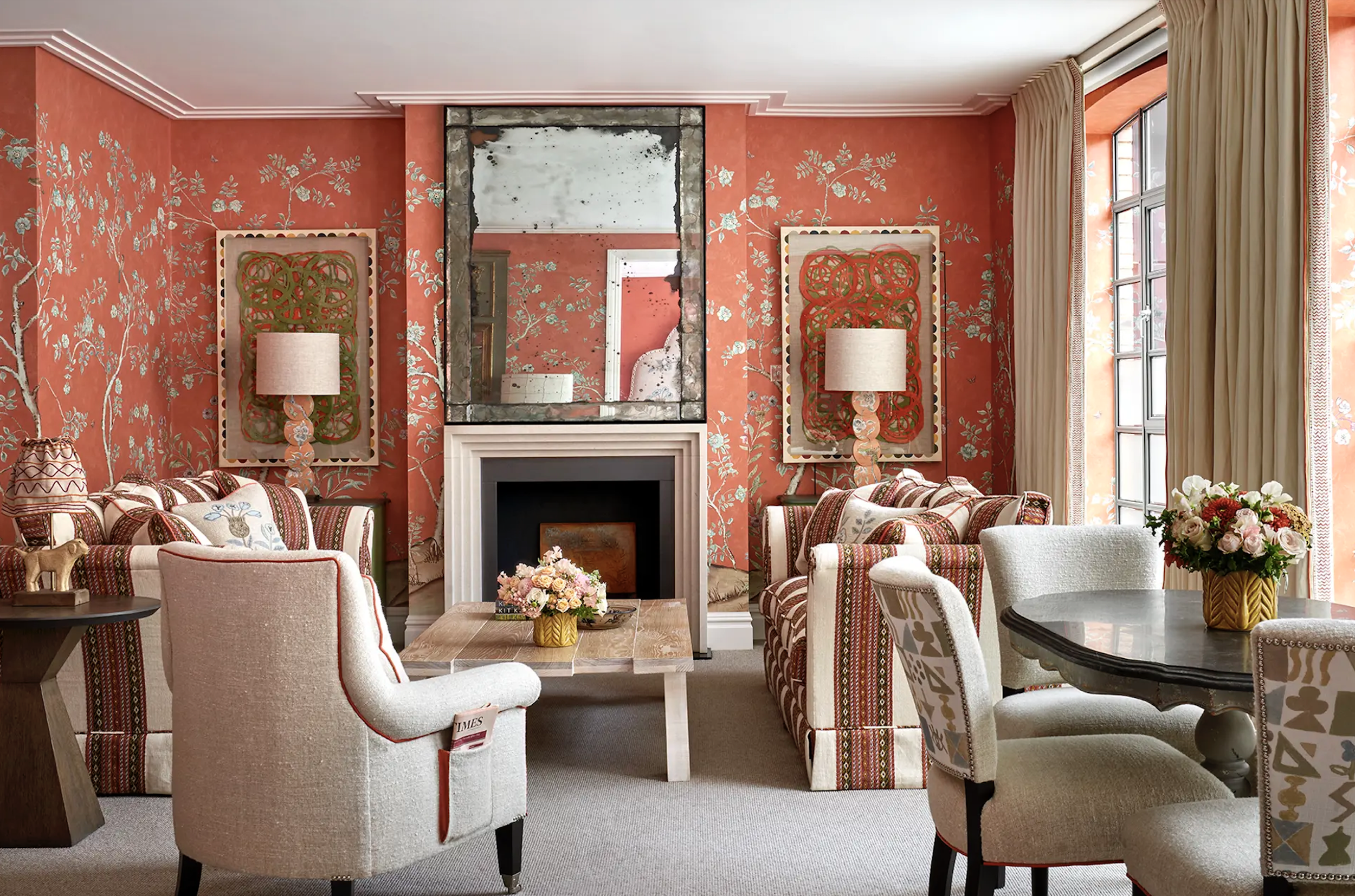
Some pieces were more inspirational, like 6 Hotels to Visit Just for Their Wallpaper, where I looked at hotels around the world that use wallpaper, pattern, and color to create a really strong sense of place.
Others were much more practical.
For Micro-Luxury: The Small Upgrades That Make a Home Feel Expensive, I broke down smaller changes—wallpaper, hardware, lighting, trim, and textiles—that can completely change how a room feels without requiring a full renovation.
Being able to switch between trend pieces, inspiration, advice, and more lifestyle-focused stories helped me become a much more flexible writer.
Writing for a Brand Without Making It Feel Like an Ad
This was probably one of the most valuable parts of writing for Open Concept.
Because the publication exists within a larger home and interiors brand family, there were opportunities to talk about categories we sell—wallpaper, wall art, textiles, and other home products.
But I never wanted an article to suddenly turn into a sales pitch.
Instead, I learned how to start with the story and find the places where a product or category actually made sense.
If I'm writing about making a patio feel more finished, outdoor wall art can naturally be part of that conversation. If I'm writing about Mahjong rooms, wallpaper and pattern drenching make sense. If I'm talking about small ways to make a home feel more expensive, wallpaper can be one of those upgrades.
The product supports the story instead of becoming the story.
What I Took From It
Writing for Open Concept made me a stronger writer, but it also made me better at content marketing as a whole.
I got more experience with finding story angles, researching trends, writing headlines and hooks, developing a consistent voice, and turning a simple topic into something people would actually want to read.
It also made me think differently about the content I create everywhere else.
Whether it's a full article, an Instagram caption, an email subject line, or the first three seconds of a Reel, I'm always thinking about the same thing:
What's the most interesting way to tell this story?
Because good marketing writing isn't just about making something sound nice. It's about knowing what will make someone want to keep reading.
Growing Painted Paper: From Product Posts to a Social-First Brand
How I turned a wallpaper account into a social-first brand people wanted to follow.
Social Media Strategy · Content Creation · Brand Voice · Trend Forecasting · Community Building
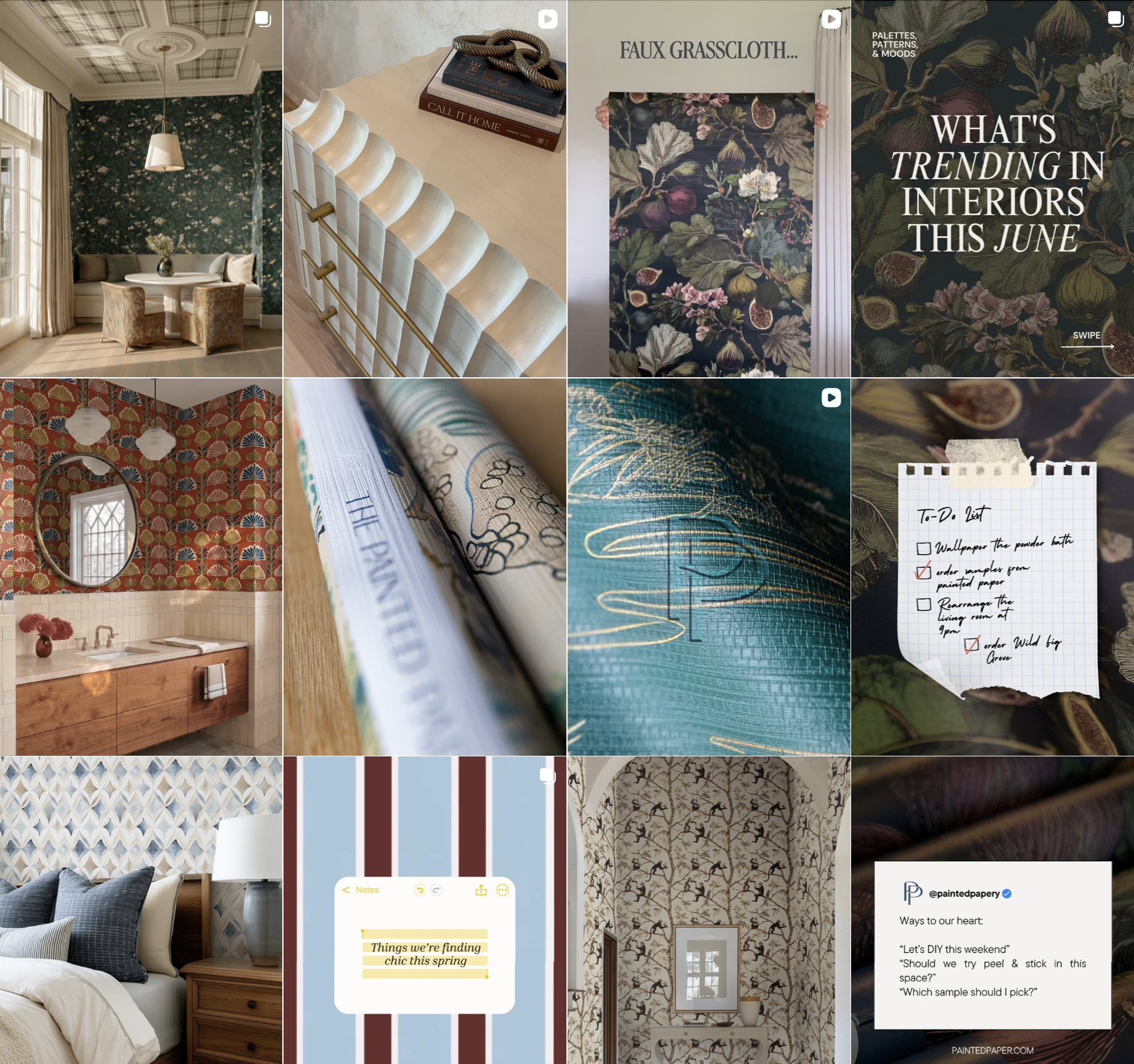
When I started working on Painted Paper's social media, one of my biggest goals was to make the account feel like more than a place to post wallpaper.
We had a great product and a very visual category to work with, but I wanted the social presence to have its own personality. Something people would follow even when they weren't actively shopping for wallpaper.
That meant shifting the strategy from "here's our product" to "here's why you should care."
First, I Had to Figure Out What People Actually Wanted to See
Wallpaper is interesting because it's naturally aspirational, but it can also be intimidating.
People love saving photos of wallpapered rooms, but actually putting wallpaper in their own home comes with a lot of questions.
Can I put it on textured walls? What's the difference between peel & stick and traditional wallpaper? Will I get tired of a bold pattern? How do I know which print works in my space?
Those questions became content.
Instead of only showing finished rooms and product photography, I started building Painted Paper's strategy around a mix of education, relatable content, seasonal moments, inspiration, and transformations.
That gave every post a purpose beyond keeping the feed active.
Making Wallpaper Feel More Approachable
Education became a big part of the strategy, but I didn't want it to feel like reading an instruction manual.
We turned common customer questions into content like Peel & Stick vs. Traditional Wallpaper, installation tips, textured-wall education, wallpaper-versus-paint comparisons, and posts about mistakes to avoid before ordering.
At the same time, I started looking for ways to demonstrate product benefits instead of just talking about them.
One of my favorite examples was a Reel testing our faux grasscloth by letting a popsicle melt directly onto it and then wiping it clean. (watch it here)
The message was simple:
For the homes that actually get lived in.
It showed durability in a way that felt entertaining, visual, and native to social media—and communicated more in a few seconds than a paragraph of product copy could.
Giving the Brand a Personality
As the strategy developed, I also wanted Painted Paper to sound more recognizable.
Wallpaper can easily fall into very polished, very serious interior-design content. There is definitely a place for that, but I didn't want every post to sound like it came from a catalog.
I started incorporating more conversational copy, trend-driven Reels, cultural references, stronger hooks, and opinions about what's happening in interiors.
Instead of just posting a floral wallpaper, we could talk about why whimsy was coming back.
Instead of posting another neutral room, we could talk about "warm being the new neutral."
Instead of simply showing toile, we could make the case for why toile was going to be everywhere for fall.
The product was still there. We were just giving people a reason to talk about it.
Building Around Trends Without Chasing Them
Trend forecasting became another important part of how I approached Painted Paper.
I regularly looked at what was happening across interiors, fashion, Pinterest, TikTok, and the broader culture and asked:
Does this make sense for us?
Not every trending audio needed to become a Reel. Not every internet aesthetic needed a Painted Paper version.
The goal was to identify trends that could naturally connect back to the brand.
That led to content around pattern drenching, unexpected maximalism, small spaces with bold patterns, matching interiors, transitional fall decorating, toile, warm neutrals, and other shifts that were already happening in the design world.
It allowed Painted Paper to participate in conversations while still feeling like Painted Paper.
Creating Content People Could Participate In
Another part of growing the account was thinking beyond what we wanted to say and focusing more on what would make someone respond.
Giveaways, questions, opinion-based posts, relatable Reels, trend content, and community-focused ideas gave people an easier way into the brand.
For a back-to-school campaign, for example, we created a teacher giveaway offering peel & stick wallpaper that could be used on classroom walls, corkboards, frames, borders, or however the winner wanted to use it.
It wasn't just a giveaway for the sake of engagement. It connected the versatility of the product to a real community and gave people a reason to tag teachers, share the post, and imagine new uses for wallpaper.
Creating a System, Not Just Individual Posts
Probably the biggest change in how I approached Painted Paper was moving away from thinking post by post.
I started thinking about the account as a whole.
What are we teaching this month?
What trends should we be talking about?
What products or launches are coming?
What questions are customers asking?
What worked last month?
What feels repetitive?
What deserves to become a recurring series?
From there, I built monthly content calendars around larger marketing priorities while still leaving room for trends and reactive content.
That balance made the strategy much more intentional.
The Growth
The growth of Painted Paper wasn't the result of one viral post.
It came from making hundreds of smaller decisions about what the brand should say, how it should say it, and why someone should care.
FOLLOWER GROWTH (IN ONE YEAR): Instagram: 147.37K followers (net gain of 94.09K over the period); 176.6% growth Facebook: 186.39K followers, +133.11% growth TikTok: 8,414 followers; 128.64% growth
REACH / IMPRESSIONS GROWTH (IN ONE YEAR): Instagram: 181.65M views, +704.77% growth (average reach/day: 136.78K, +52.31%) Facebook: 385.48M impressions, +119.35% growth TikTok: 7.64M views
ENGAGEMENT GROWTH (IN ONE YEAR): Instagram: 12.80K interactions on posts (comments up +179.73%) Facebook: 58.48K interactions, +368.96% growth TikTok: 39.16K interactions
TOP-PERFORMING POST RESULT: Facebook: "This is what effortless luxury sounds like. Shop Margo and bring your space to life with just a few..." (Jun 29, 2025) — 1.6M impressions, 17.36K interactions. (linked here) Instagram: "Boring walls? That's sooo last year." (Jan 4, 2026) — 30.26K views, 26.57K reach, 252 likes, 599 saves, engagement rate 4.14 (linked here) TikTok: "Durable and beautiful. Shop Oleander at paintedpaper.com now♡" (Mar 4, 2026) — 1.43M impressions, 3,345 interactions. (linked here).
Over time, the account became more educational, more conversational, more trend-aware, and more community-driven.
And that changed the way I think about social media growth in general.
You can post more. You can use trending audio. You can make prettier graphics.
But sustainable growth starts when a brand gives people a reason to follow it.
For Painted Paper, that meant turning a wallpaper company into a source for ideas, inspiration, education, trends, and personality—with the product naturally living at the center of all of it.
Building a Multi-Brand Social Ecosystem
Lessons from managing a Family of Brands.
How I create distinct social identities for multiple brands while keeping the bigger picture connected.
Managing social media for one brand means knowing its audience, voice, products, and point of view. Managing social for multiple brands under the same parent company means doing all of that several times over — without letting any of them start to feel the same.
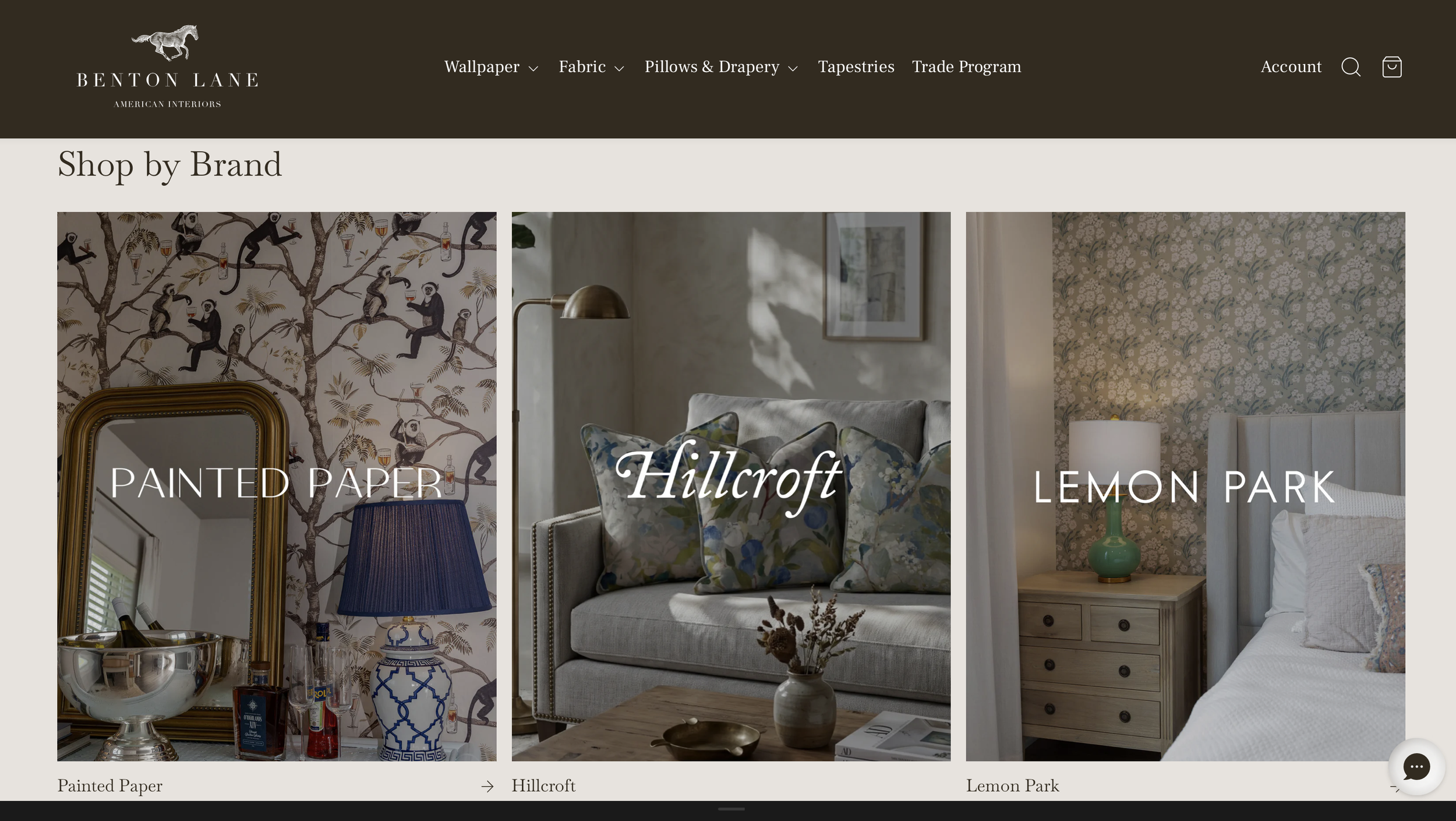
In my current role, I create and manage social content across a portfolio of home and lifestyle brands, each with its own customer, personality, product offering, and reason for showing up online.
The challenge isn't simply creating enough content for every account. It's making sure that when someone sees a post, they can tell which brand it belongs to before they even look at the username.
One Company, Very Different Customers
Even when brands exist within the same industry, their audiences can be completely different.
A younger renter looking for an easy apartment transformation isn't necessarily responding to the same content as an interior designer sourcing wallpaper for a client. Someone shopping for Christmas wrapping paper has a different mindset than someone investing in handcrafted metal wall art.
That means I can't take one social strategy and copy and paste it across every account.
Instead, I think about each brand individually: Who are we talking to? What do they care about? Why are they following us? What would make them stop scrolling? And, most importantly, what would actually make them want to hear from this brand again?
Those answers influence everything from the trends we participate in to the way a caption is written.
Giving Every Brand Its Own Personality
One of the biggest parts of my role has been learning how to switch voices throughout the day.
Painted Paper can be design-forward, educational, and trend-aware. Lemon Park has more room to be playful, youthful, and experimental. Aspen & Arlo leans into tradition, gifting, nostalgia, and personality. Anthem Classic speaks to a completely different customer and requires a more product- and craftsmanship-focused approach.
The goal isn't to make every brand follow whatever is currently performing on social. It's to figure out what makes sense for that brand.
Sometimes that means jumping on a trend quickly. Sometimes it means adapting a trend until it feels completely different from the original. And sometimes the best strategic decision is not participating at all.
Building Content Pillars Without Creating a Formula
Content pillars give each account structure, but I don't want them to make the content predictable.
For each brand, I build a mix of educational, aspirational, relatable, seasonal, promotional, and product-focused content based on what the audience actually needs from that account.
From there, I use upcoming launches, promotions, seasonal moments, broader marketing priorities, social trends, and previous performance to build monthly content calendars.
That gives me enough structure to make sure we're supporting the business while leaving enough flexibility to react to what's happening online.
Because social media moves much faster than a marketing calendar does.
The Platform Matters, Too
A strong piece of content isn't automatically strong everywhere.
Part of managing a multi-brand social ecosystem is deciding not only what we should say, but where it makes the most sense to say it.
A fast, personality-driven video might make sense for TikTok or Reels. A beautiful room installation can become inspiration on Instagram or Pinterest. A product or craftsmanship story may resonate more with an established Facebook audience.
I think about platform behavior alongside brand behavior instead of treating social media as one giant channel.
Finding the Connection
While each brand needs to stand on its own, they're still part of a larger brand family.
That creates opportunities to think beyond individual accounts.
A trend spotted for one brand might inspire a completely different execution for another. A successful educational format can be adapted without copying the creative. A photoshoot can produce assets that support multiple marketing goals. And insights from one audience can make me ask better questions about another.
Managing multiple brands has made me much more intentional about recognizing the difference between a format that works and an idea worth repeating.
The format can travel. The execution should still belong to the brand.
What This Has Taught Me
Working across multiple brands at once has changed the way I think about social media.
I'm not just asking, “What should we post?”
I'm asking:
Why does this brand need to post it? Who are we trying to reach? What does it add to the brand? Where should it live? And how does it support what we're trying to accomplish outside of social?
That's the difference between filling a content calendar and building a social presence.
The goal isn't for every brand to be everywhere or participate in everything. It's to create a distinct world around each one — and make sure every piece of content feels like it belongs there.